Overview
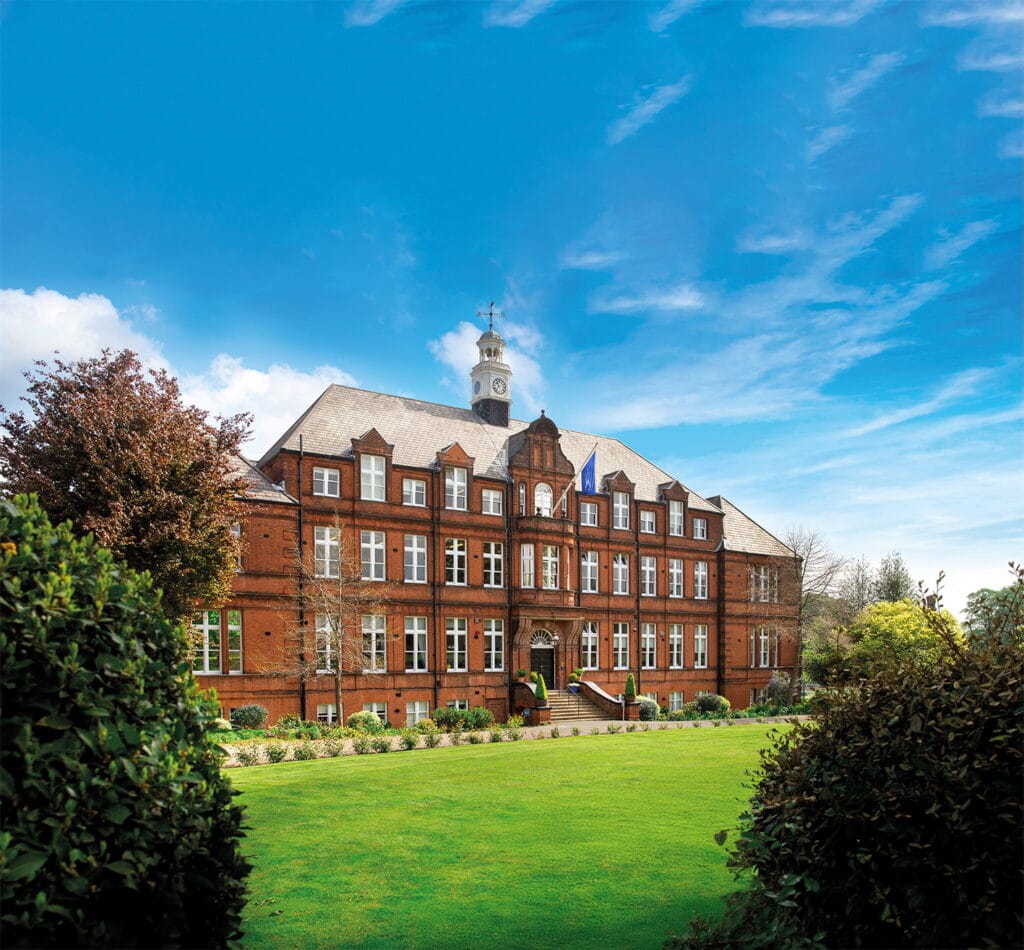
This case study explores three distinct projects where Gridimp, in partnership with Pressac, deployed its IoT-driven energy monitoring and control solutions. The projects span diverse environments. A dairy farm, Wells Cathedral, and the Bishop’s Palace, all with unique challenges and goals related to energy efficiency. These initiatives collectively aim to reduce energy usage and environmental impact while improving cost-efficiency, helping clients in both public and private sectors move toward sustainable operations.
Company Profile
Gridimp is a technology firm specialising in automated control and analytics for energy management. Known for its flexible AI-based devices, Gridimp serves a wide range of sectors, including non-domestic buildings, food manufacturing, historical landmarks, and leisure. Utilising Pressac’s IoT sensor technology, Gridimp monitors energy usage to help clients reduce consumption and optimise operational efficiency.
Project 1: Dairy Farm Energy Intensity Analysis
Objective:
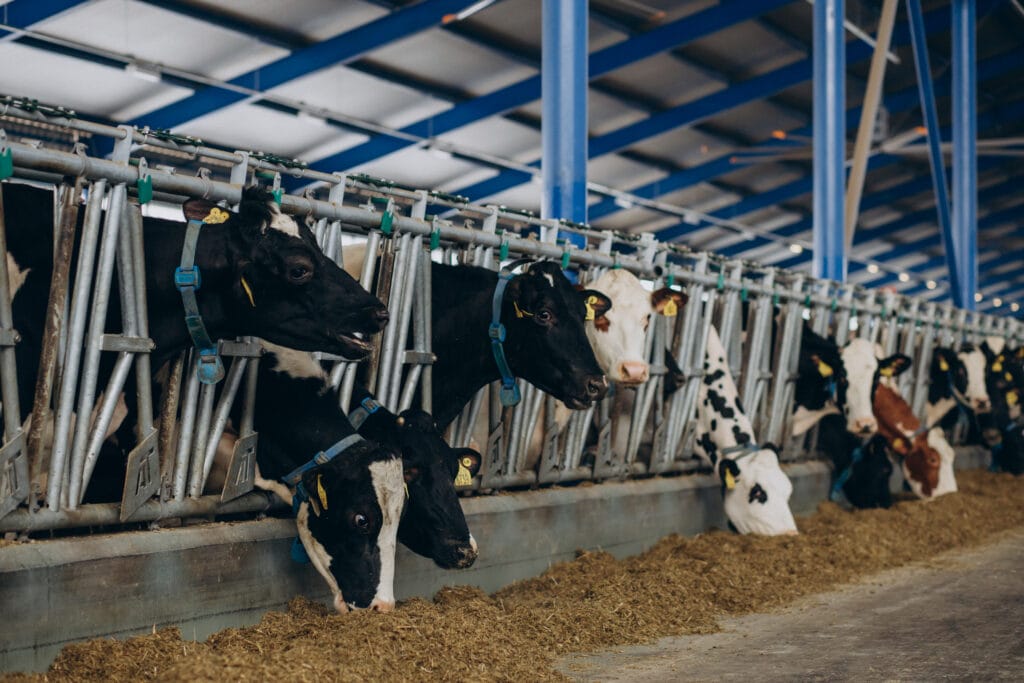
The dairy farm project is a governmental R&D initiative aimed at understanding energy usage in dairy operations. This knowledge is critical as rising energy costs threaten the economic viability of traditional farming, with many farmers considering converting their land for alternative uses like solar farms.
Project Details:
- Diagnostic Tool: Gridimp developed a mobile diagnostic kit, equipped with Pressac sensors, designed to monitor and analyse energy consumption across various farms.
- Data Collection: Over a two-month period, the system measured energy usage during both manual and automated (robotic) milking processes.
- Benchmarking: The data helped establish benchmarks for energy intensity in milking, providing insights into which processes are most energy-efficient.
Outcomes:
This project provided actionable data that will help the government assess energy costs in dairy farming, paving the way for policies or subsidies that could assist farmers in becoming more energy-efficient and financially stable.
Project 2: Wells Cathedral Environmental Stewardship
Objective:
As part of its commitment to environmental stewardship, Wells Cathedral sought to reduce its energy usage and carbon footprint in line with its mission to achieve carbon neutrality. The project aimed to optimise heating efficiency within the challenging constraints of an 800-year-old, structurally complex building.
Project Details:
- Challenges: The Cathedral’s thick walls, high ceilings, and listed status required a non-intrusive solution to avoid structural changes.
- Implementation: Gridimp installed Pressac wireless temperature sensors at multiple levels within the building, paired with ImpCab hardware. This setup allowed precise temperature monitoring without disturbing the Cathedral’s architecture.
- Data-Driven Insights: Gridimp’s analysis determined how long it takes for the ground floor to reach desired temperatures, enabling the Cathedral to heat the space precisely and avoid excessive energy consumption.
Outcomes:
Wells Cathedral now has the ability to control its heating more efficiently, reducing energy waste while educating its congregation and visitors on sustainable practices. This project demonstrates how historical buildings can embrace eco-friendly technology without compromising their structural integrity.
Project 3: Bishop’s Palace in Wells, Somerset
Objective:
The Church of England aims for all its properties to be Net Zero by 2030, and the Bishop’s Palace sought to play its part. The goal was to optimise heating in line with this commitment, balancing energy efficiency with the need to preserve delicate interiors and antiques.
Project Details:
- System Installation: Gridimp installed Pressac wireless temperature sensors to monitor night storage heaters and room temperatures.
- Automation with Weather Data: By integrating weather forecasts, the system adjusts heater operations based on anticipated temperatures. When milder weather is expected, heating intensity is automatically reduced, preventing unnecessary energy use.
- Preservation: The sensors help maintain optimal temperatures to protect antique furniture, paintings, and rugs from environmental damage.
- ROI: The hardware investment is expected to pay off within 3-4 months due to energy cost savings.
Outcomes:
The Bishop’s Palace has improved its energy efficiency and reduced heating costs, all while safeguarding its historical interiors. This project exemplifies how automation and IoT can support sustainability in historic properties with specialised preservation needs.
Summary and Key Learnings:
Across these three projects, Gridimp’s integration of Pressac sensors demonstrates how data-driven insights and automation can transform energy management, even in challenging environments.
The key takeaways include:
- Sector-Specific Solutions: Gridimp’s versatile technology was adaptable to each unique context, whether addressing the operational demands of a dairy farm or the preservation requirements of historical sites.
- Enhanced Sustainability: By optimising energy usage, each project contributes to broader sustainability goals and sets examples for other entities in both the public and private sectors.
- Data-Driven Decision Making: Precise temperature and energy monitoring provides clients with the information needed to make informed, efficient, and sustainable decisions.
- Rapid ROI: The projects demonstrated a short payback period, emphasising the cost- effectiveness of deploying IoT-enabled energy solutions.
This case study illustrate how IoT and AI technology can play pivotal roles in enhancing sustainability, improving energy efficiency, and preserving heritage in various settings.